 Borderless
Partnerships
Distributor vs. Reseller vs. Local Partner: What's Actually the Difference?
Marijn Booman · 2026-09-01
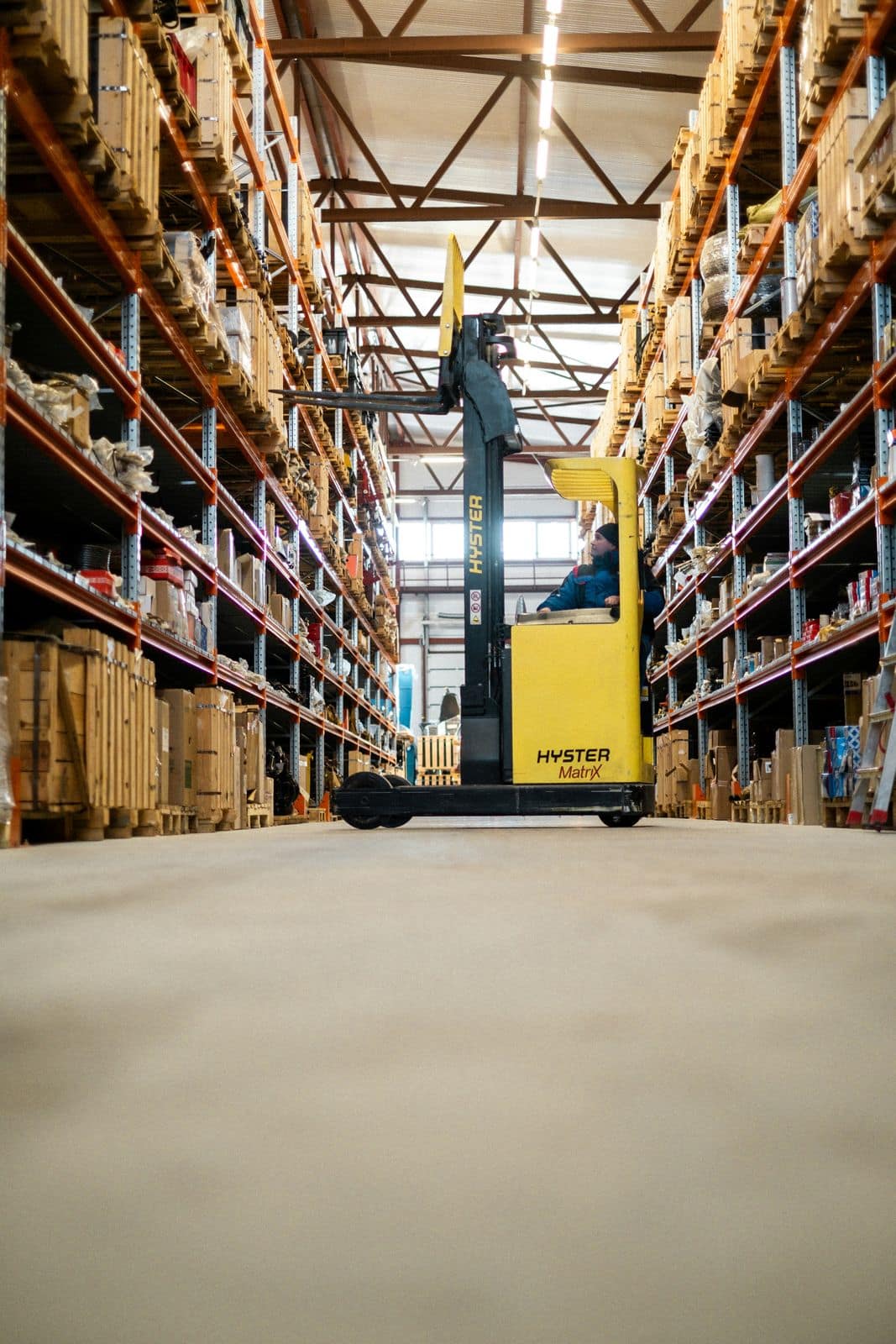
Photo: Kseniia Ilinykh, Unsplash License
These three terms get used interchangeably in expansion conversations, but they describe structurally different commercial relationships — and choosing the wrong one costs more than a bad contract. It costs a market.
Reseller
Buys (or is authorized to sell) your product and sells it onward, usually under their own commercial terms, often bundled with their own services. You get reach without hiring locally; they take margin for taking on the sales and relationship work. Best when the product is close to plug-and-play and the reseller's existing customer relationships are the actual asset you're buying access to.
Distributor
Typically holds inventory or rights across a broader territory and manages a network of smaller resellers or sub-agents underneath them. Distributors are a leverage play — one relationship gives you a whole market's worth of downstream reach — but you trade direct visibility into the end customer for that reach. You often don't know who's actually buying your product three layers down the distribution chain.
Local partner
The loosest and most commercially varied of the three: co-marketing, API integration, referral arrangements, joint go-to-market. Doesn't have to involve resale at all. This is where partnerships built around distribution economics — rather than around a single reseller or distributor contract — tend to live.
How to actually choose
The decision isn't about which model is "better" — it's about what you're trying to buy and what you're willing to give up to get it:
| You need | Consider |
|---|---|
| Fast reach, low commitment, testing demand | Reseller |
| Broad territory coverage without hiring a local team | Distributor |
| Deep integration, brand control, or a non-resale channel | Local partner |
On Ferryhopper's commercial transformation, the highest-leverage move wasn't another geography — it was distribution: building and leading major operator and API distribution partnerships, including commercial leadership on the Omio partnership, which alone represented a meaningful share of B2B GMV under that leadership. That's a local-partner and API-distribution model, not a reseller relationship — the value was in the integration and the ongoing commercial management, not in a one-time resale agreement.
On Flood Finance's Ghana pilot, the partnership work centered on a mobile-money-linked merchant ecosystem and a Telecel-related opportunity — closer to a distribution relationship, since the value depended on reach through an existing network rather than a single point-to-point integration.
The mistake to avoid: picking the model that's easiest to negotiate rather than the one that matches what you actually need from the relationship. A reseller contract signed because it was fast often can't deliver what a market genuinely needed — a distributor's reach, or a partner's integration depth.
Related services
Related case studies
Get new pieces when they're published
An email when there's a new playbook article or insight. No schedule, no marketing sequence, and your address isn't shared — see the privacy page. Prefer no email at all? Use the RSS feed.